Proclus
412–485 CE
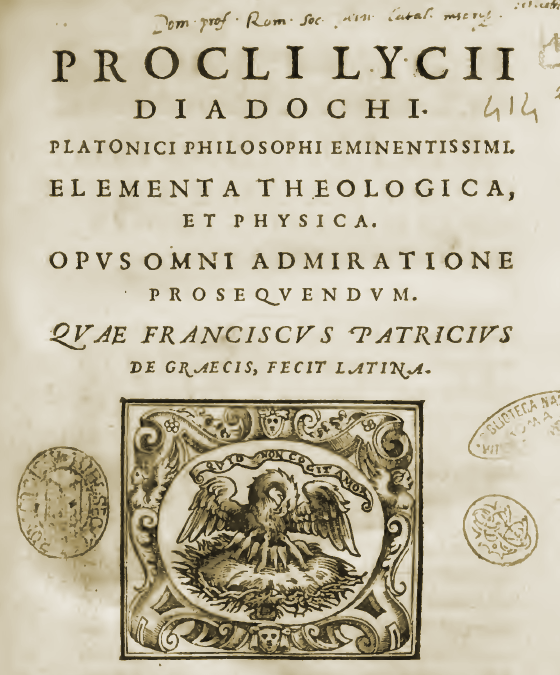
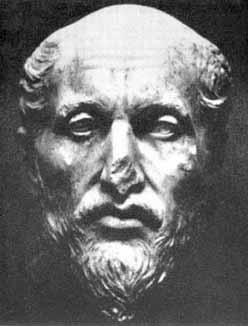
Proclus (412–485 CE) was a Neoplatonist philosopher and mathematician who played a pivotal role in the development of Neoplatonism, a philosophical school that synthesized elements of Plato’s thought with other philosophical and religious traditions. Born in Constantinople, Proclus studied under the renowned Neoplatonist philosopher Syrianus and later became the head of the Platonic Academy in Athens.\n\nProclus’s philosophical works delve into a wide range of topics, including metaphysics, theology, cosmology, ethics, and mathematics. He sought to provide a comprehensive and systematic understanding of reality, drawing on the insights of Plato, Aristotle, and other earlier philosophers. His most significant works include “Elements of Theology,” “Commentary on the Timaeus,” and “Commentary on the Republic.”\n\nProclus’s philosophy is characterized by its intricate and complex system of emanation, in which all things derive from the One, the ultimate source of being. This system involves a series of intermediate levels or hypostases, through which the One unfolds into the diversity of the cosmos. Proclus also emphasized the importance of mystical experience and the union of the soul with the divine. His writings have had a lasting impact on subsequent philosophical and theological thought, particularly in the Byzantine and Islamic worlds.