Sacred Texts

    Primary sources from the world's philosophical and spiritual traditions, organized for study and cross-traditional research.

    15 texts

    KabbalahJewish Mysticism

    Jewish Mysticism

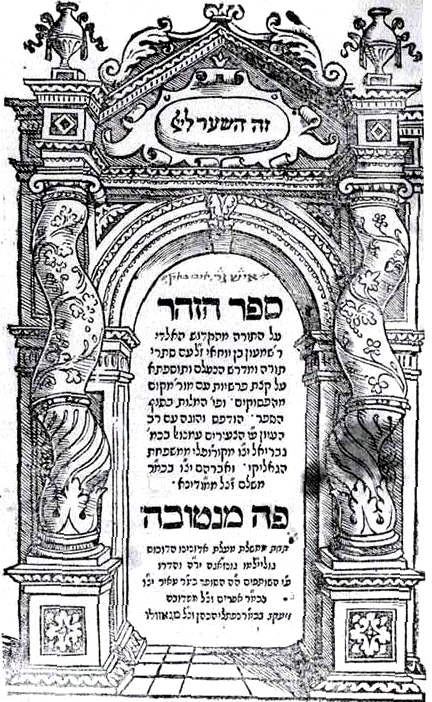
    Jewish Mysticism challenges the misconception that Judaism and mysticism are incompatible, asserting that mysticism has deep roots in Jewish history, dating back to the Old Testament. It highlights the balance mysticism brings to Judaism, emphasizing inward spirituality and divine connection alongside legalistic practices. The text explores mystical experiences and teachings, such as the Ten Sefirot and the Merkabah, which symbolize paths to divine presence. It delves into esoteric wisdom, the role of angels and the Divine Word, and the soul’s journey towards union with the divine. The Zohar, a key Kabbalistic text, is discussed for its rich theological framework. Overall, this text on Jewish Mysticism reveals how mysticism enriches Judaism by highlighting the pursuit of direct, personal experiences with the divine, balancing the external observances with an inner spiritual quest.
    Read Quotes
    ChristianityDidache

    Didache

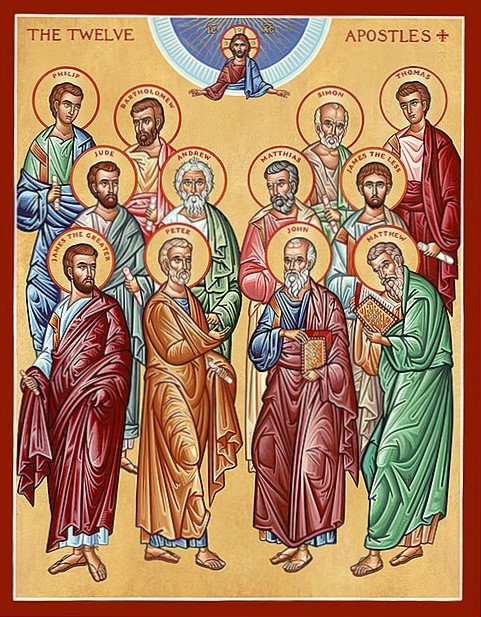
    The Didache, or “The Teaching of the Twelve Apostles,” is an early Christian document dating to the first century. The text begins with a discussion of the “Two Ways,” contrasting the path of life, characterized by love of God and neighbor, with the path of death, marked by sin and vice. The Didache also includes instructions for rituals such as baptism, Eucharist, fasting, and prayer, stressing the importance of communal worship and the proper conduct of Christian leaders. The text is valued for its insights into early Christians’ ethical and liturgical practices, reflecting a community striving to live according to Jesus’s teachings.
    Read Quotes
    ChristianityAdornment of the Spiritual Marriage

    Adornment of the Spiritual Marriage

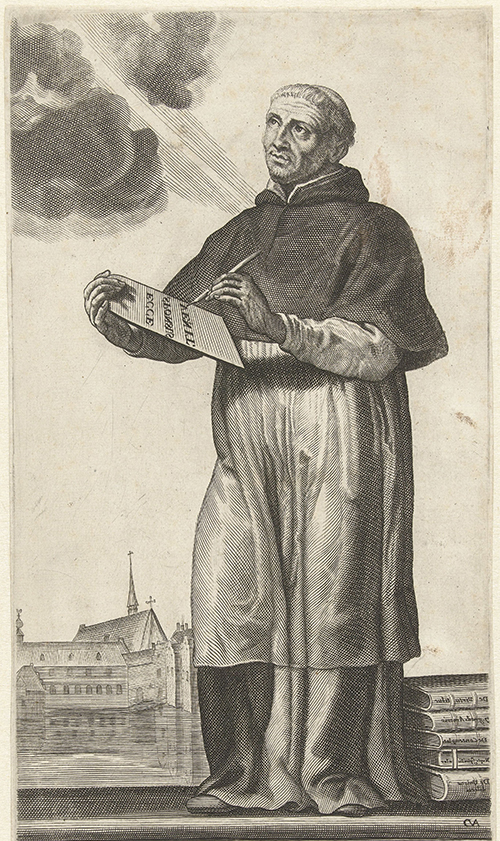
    The Adornment of the Spiritual Marriage by Jan van Ruusbroec (1293-1381), a monk, writer, and mystic, outlines a mystical journey of the soul’s union with God, with Christ as the Bridegroom. Ruusbroec describes this path through stages of virtue—humility, charity, obedience, and others—emphasizing both active and contemplative practices. Through cultivating a pure heart and soul, individuals strive to achieve unity with God, guided by these principles. This journey ultimately aims at divine oneness, reflecting Ruusbroec’s profound contributions to Christian mysticism.
    Read Full Text
    Greek ClassicsGolden Verses of Pythagoras

    Golden Verses of Pythagoras

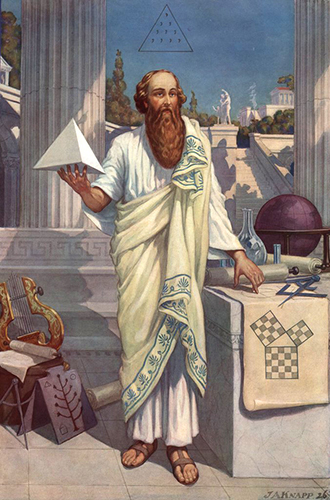
    The Golden Verses of Pythagoras is a collection of moral exhortations that outline a path to a virtuous and fulfilling life. It emphasizes reverence for the gods, heroes, and familial respect, while encouraging friendships with virtuous individuals. Self-discipline is paramount, urging the control of passions like gluttony, sloth, and anger. Justice, reason, and self-respect are core tenets, with a call to avoid evil deeds and to act thoughtfully. Physical health is to be maintained through moderation and a balanced lifestyle. Reflection on daily actions is recommended to foster personal growth. The text advocates for an understanding of the divine and human nature, acceptance of fate, and avoidance of unnecessary strife. By following these principles, one can attain spiritual purity, wisdom, and ultimately transcend mortal limitations, achieving a state of immortality and incorruptibility.
    Read Quotes
    Greek ClassicsElements of Theology

    Elements of Theology

    ProclusElements of Theology is a seminal work in Neoplatonic philosophy, composed around 450 CE. Structured as a series of 211 propositions, each accompanied by a proof, the text systematically explores the hierarchical structure of reality, beginning with the concept of the One—the ultimate principle of unity and source of all existence. Proclus delineates the process of emanation from the One, through successive levels of reality, including the divine intellect (Nous), the World Soul, and individual souls, culminating in the material world. This framework illustrates how multiplicity arises from unity and how all entities participate in the Good. The Elements of Theology has profoundly influenced both Eastern and Western philosophical traditions. Notably, its ideas permeated medieval thought through the Liber de Causis, an Arabic adaptation erroneously attributed to Aristotle, which was later recognized as a summary of Proclus’ work. The text remains a cornerstone for understanding Neoplatonic metaphysics and its enduring impact on subsequent philosophical and theological discourse.
    Read Full Text
    ApocryphaGospel of Mary

    Gospel of Mary

    The Gospel of Mary, an early Christian Gnostic text discovered in the late 19th century, centers on a dialogue between Mary Magdalene and the other disciples of Jesus after his resurrection. In this text, Mary Magdalene is presented as a leading disciple, uniquely understanding Jesus's teachings. The text explores the nature of the soul, spiritual salvation, and the process of achieving gnosis or direct knowledge of God. Mary describes a vision she had of Jesus, who imparts teachings on the ascent of the soul past hostile powers seeking to hinder its progress towards eternal life. It also contains discussions about the errors of religious hierarchies and the value of personal, experiential knowledge of the divine. The Gospel of Mary challenges conventional gender and authority structures, emphasizing the equal worth of all followers of Christ's teachings.
    Read Quotes
    IslamAlchemy of Happiness

    Alchemy of Happiness

    The Alchemy of Happiness by Al-Ghazzali is a profound exploration of spiritual and self-awareness, guiding individuals toward the ultimate goal of divine knowledge and eternal bliss. Al-Ghazzali emphasizes the importance of self-knowledge, understanding one's origins, purpose, and destination. He describes the human soul's journey, highlighting its potential to rise from animalistic desires to angelic purity through moral discipline and the purification of the heart. The work underscores the significance of detachment from worldly attachments and the cultivation of love for God. Al-Ghazzali illustrates the interconnectedness of body and soul, portraying the body as a vessel for spiritual growth. Al-Ghazzali advocates for a balance between worldly responsibilities and spiritual pursuits, warning against excessive attachment to material possessions. Through metaphors and teachings, he encourages readers to seek God sincerely, valuing divine love above all else.
    Read Quotes
    ChristianityGospel of Thomas

    Gospel of Thomas

    The Gospel of Thomas is a non-canonical early Christian text discovered in 1945, comprising 114 sayings, or logia, ascribed to Jesus. Unlike canonical Gospels, it doesn’t narrate Jesus’s life, death, or resurrection, instead emphasizing spiritual wisdom and introspective spirituality. Many of its sayings parallel those in the New Testament, but others are unique, cryptic, fostering personal interpretation. A notable theme is the divine within individuals and ‘knowing oneself’ to find the ‘Kingdom of Heaven’. A typical saying, 113, states, “The kingdom of the Father is spread out upon the earth, and people do not see it.” Though not included in most Christian bibles due to its non-canonical status and late discovery, the Gospel of Thomas offers an alternative perspective on early Christian thought, focusing less on institutionalized religion and more on individual spiritual exploration. It doesn’t echo key Christian concepts like original sin or Jesus as the messiah, making it a distinct piece in early Christian literature.
    Read Quotes
    IslamThe Masnavi

    The Masnavi

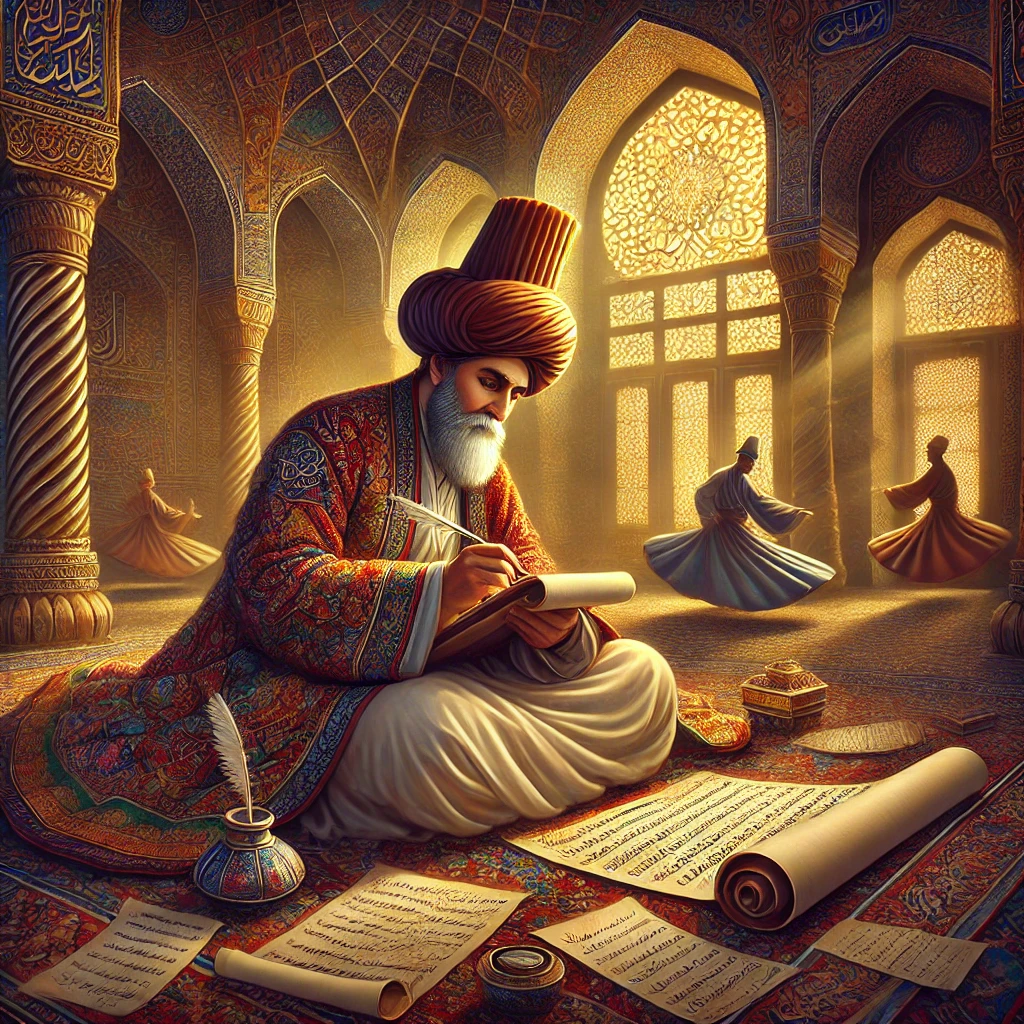
    The Masnavi, written by the 13th-century Persian poet and Sufi mystic Jalāl ad-Dīn Muhammad Rūmī, is a six-volume poem widely celebrated as one of the greatest works of mystical literature. Composed in rhyming couplets, it serves as a practical guide to the Sufi path, illuminating key aspects of spiritual life such as love, unity, and the journey of the soul toward God. Rumi employs fables, parables, and anecdotes that reflect both everyday experiences and deeper metaphysical truths. These stories often revolve around moral dilemmas, illustrating how struggles with ego, attachment, and ignorance can veil one from true understanding. Through vivid imagery and eloquent language, the Masnavi encourages readers to cultivate a heart-centered devotion, emphasizing self-awareness, humility, and unwavering trust in the Divine.
    Read Full Text
    TaoismTao Te Ching

    Tao Te Ching

    The Tao Te Ching, attributed to Laozi, is a foundational text in Taoist philosophy. It explores the nature of the Tao (the Way), which is described as an indefinable force that underlies and sustains everything in the universe. The Tao is elusive, beyond words, and cannot be fully comprehended by human perception. Instead, the text emphasizes living in harmony with the Tao through simplicity, humility, and non-action (wu wei), which means going with the flow of life and nature rather than forcing outcomes. Key concepts include opposites being interconnected (e.g., existence and non-existence), the benefits of softness and weakness over hardness and strength, and the ideal of ruling by example rather than control. The Tao Te Ching teaches that true power and wisdom come from aligning with the natural order and embracing humility and selflessness. Through this, one can achieve balance, contentment, and a deeper understanding of life.
    Read Full Text
    EsotericismKey of Jacob Boehme

    Key of Jacob Boehme

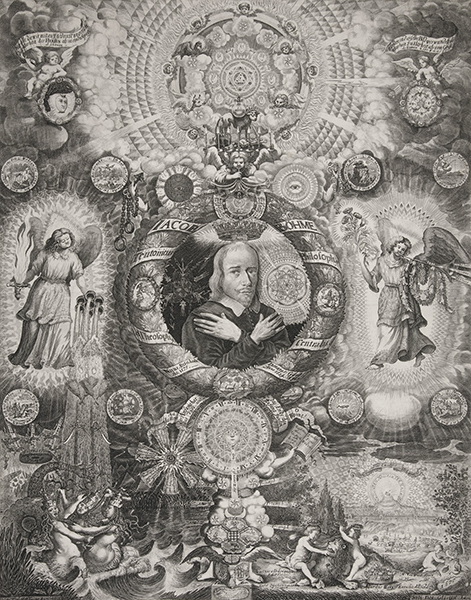
    The Key of Jacob Boehme delves into the profound metaphysical and theological ideas of Jacob Boehme, a 17th-century German mystic. The text explores the spiritual journey of a seeker, emphasizing the necessity of divine grace and a sincere, selfless pursuit of divine knowledge. Boehme asserts that the divine Unity is the origin of all existence, manifesting as the Trinity—Father, Son, and Holy Spirit. He describes this Unity as an eternal, unmeasurable presence that transcends the material world, yet is also its source and sustainer. The book examines the interplay between light and darkness, good and evil, and the spiritual and material realms. Boehme illustrates how the divine wisdom, or “Mysterium Magnum,” permeates all things, serving as the foundation for both creation and the human soul. This spiritual wisdom is seen as a divine chaos that, when understood, reveals the interconnectedness of all existence. The text encourages readers to transcend worldly desires and seek the eternal truth within.
    Read Quotes
    TaoismMusings of a Chinese Mystic

    Musings of a Chinese Mystic

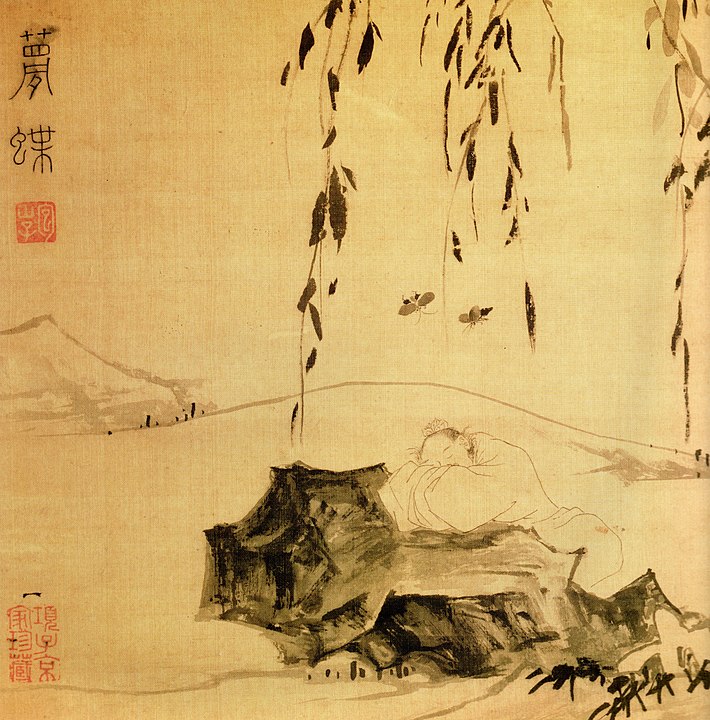
    Musings of a Chinese Mystic is a collection of philosophical reflections attributed to Zhuang Zhou (Zhuangzi), an influential Taoist philosopher. The text delves into the nature of reality, the limitations of human knowledge, and the fluidity of identity. The work emphasizes the ineffable and transcendental nature of Tao (the Way), which lies beyond material existence and human comprehension. Themes include the impermanence of life and death, the importance of aligning with the natural order, and the futility of imposing rigid structures on the ever-changing world. The text also explores the concept of ultimate harmony, where true wisdom involves embracing the unknown and finding peace in the natural flow of life. By promoting a detached, intuitive approach to existence, Chuang Tzŭ’s musings encourage a profound understanding of the self and the universe.
    Read Quotes
    StoicismMeditations of Marcus Aurelius

    Meditations of Marcus Aurelius

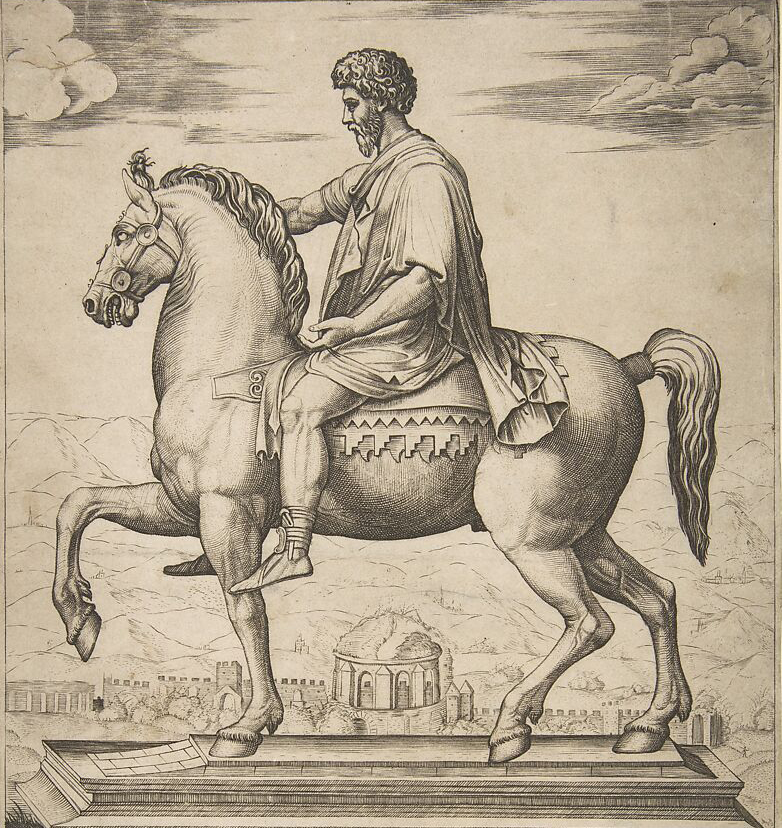
    Meditations by Marcus Aurelius is a collection of personal writings by the Roman Emperor, offering profound insights into Stoic philosophy. Written as a series of reflections and exercises, it emphasizes self-discipline, rationality, and virtue as the path to a tranquil life. Aurelius contemplates the impermanence of life, urging acceptance of nature's course and the inevitability of death. He advocates for inner governance, urging individuals to master their thoughts and emotions rather than be swayed by external circumstances. The work stresses the interconnectedness of all things, the importance of living in accordance with nature, and the value of serving others with justice and kindness. Through his meditations, Aurelius seeks to maintain personal integrity, embrace the present moment, and find peace by aligning with universal principles. His writings remain a timeless guide to living a meaningful, virtuous life amidst life's challenges.
    Read Quotes
    HermeticismKybalion

    Kybalion

    e Kybalion is a text that delves into Hermetic philosophy, attributed to ancient Egyptian teachings by the legendary figure Hermes Trismegistus. It presents seven foundational principles that govern the universe and human existence. These principles are: Mentalism: The universe is a mental creation. Correspondence: The microcosm reflects the macrocosm. Vibration: Everything is in constant motion. Polarity: Everything has opposites that are identical in nature but different in degree. Rhythm: Life flows in cycles, with a balance of rise and fall. Cause and Effect: Every action has a reaction, nothing happens by chance. Gender: Masculine and feminine principles exist in everything and are essential for creation. The Kybalion teaches that understanding and applying these principles enables mastery over one's mental and physical conditions, leading to spiritual growth and enlightenment. The text emphasizes that true power comes from mental transmutation, transforming and controlling one's mental states and vibrations.
    Read Quotes
    BuddhismPath of Light

    Path of Light

    The Path of Light is a profound treatise on Mahayana Buddhism that delves into the power of the Thought of Enlightenment, portraying it as the ultimate force for overcoming evil and attaining righteousness. It also highlights the irony of human desire, where the pursuit of happiness often results in self-inflicted suffering. The treatise calls for diligent practice, self-control, and unwavering strength in well-doing, advocating for a shift from self-centeredness to universal compassion. It underscores the importance of confessing past wrongs, seeking refuge in the Enlightened Ones, and viewing oneself as part of a larger whole.  The text encourages finding solace in solitude and contemplation, ultimately striving to bring peace to others by understanding the impermanent nature of existence.
    Read Quotes
    Weekly Wisdom

    Receive Timeless Insights

    Join thousands of seekers receiving curated wisdom from the world's sacred traditions.