
Greek Classics
The classics, including works by Greek and Roman philosophers, poets, and historians, provide timeless reflections on human nature, virtue, and the pursuit of knowledge.
Sub-traditions
Texts from Greek Classics
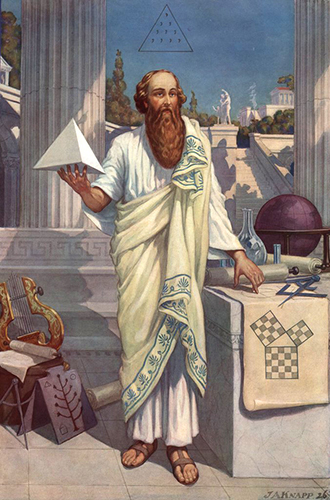
Golden Verses of Pythagoras
The Golden Verses of Pythagoras is a collection of moral exhortations that outline a path to a virtuous and fulfilling life. It emphasizes reverence for the gods, heroes, and familial respect, while encouraging friendships with virtuous individuals. Self-discipline is paramount, urging the control of passions like gluttony, sloth, and anger. Justice, reason, and self-respect are core tenets, with a call to avoid evil deeds and to act thoughtfully.
Physical health is to be maintained through moderation and a balanced lifestyle. Reflection on daily actions is recommended to foster personal growth. The text advocates for an understanding of the divine and human nature, acceptance of fate, and avoidance of unnecessary strife. By following these principles, one can attain spiritual purity, wisdom, and ultimately transcend mortal limitations, achieving a state of immortality and incorruptibility.
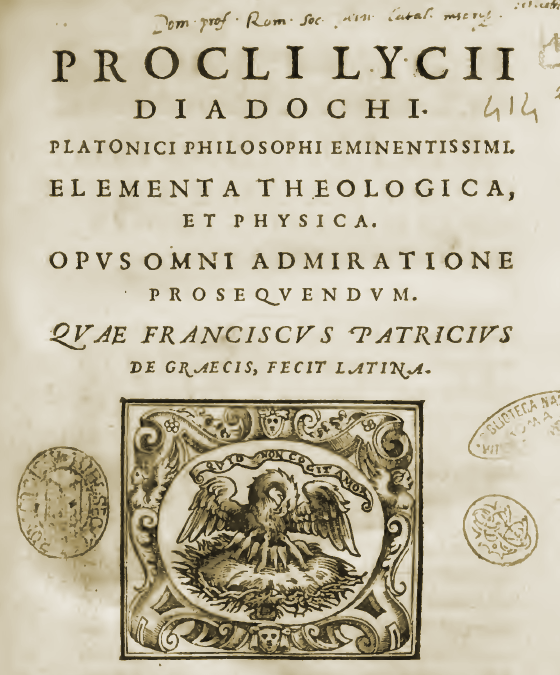
Elements of Theology
ProclusElements of Theology is a seminal work in Neoplatonic philosophy, composed around 450 CE. Structured as a series of 211 propositions, each accompanied by a proof, the text systematically explores the hierarchical structure of reality, beginning with the concept of the One—the ultimate principle of unity and source of all existence.
Proclus delineates the process of emanation from the One, through successive levels of reality, including the divine intellect (Nous), the World Soul, and individual souls, culminating in the material world. This framework illustrates how multiplicity arises from unity and how all entities participate in the Good.
The Elements of Theology has profoundly influenced both Eastern and Western philosophical traditions. Notably, its ideas permeated medieval thought through the Liber de Causis, an Arabic adaptation erroneously attributed to Aristotle, which was later recognized as a summary of Proclus’ work. The text remains a cornerstone for understanding Neoplatonic metaphysics and its enduring impact on subsequent philosophical and theological discourse.
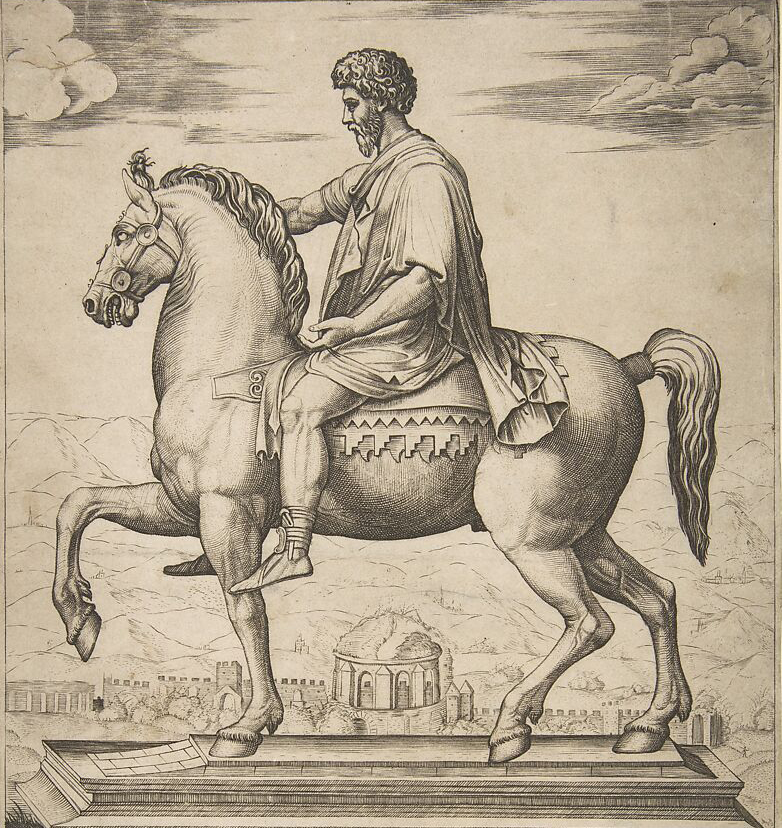
Meditations of Marcus Aurelius
Meditations by Marcus Aurelius is a collection of personal writings by the Roman Emperor, offering profound insights into Stoic philosophy. Written as a series of reflections and exercises, it emphasizes self-discipline, rationality, and virtue as the path to a tranquil life. Aurelius contemplates the impermanence of life, urging acceptance of nature's course and the inevitability of death. He advocates for inner governance, urging individuals to master their thoughts and emotions rather than be swayed by external circumstances.
The work stresses the interconnectedness of all things, the importance of living in accordance with nature, and the value of serving others with justice and kindness. Through his meditations, Aurelius seeks to maintain personal integrity, embrace the present moment, and find peace by aligning with universal principles. His writings remain a timeless guide to living a meaningful, virtuous life amidst life's challenges.